Privacy choices

Choose how this site measures visits.

Essential browser storage remembers your choice. Optional analytics and advertising technologies load only with your permission. Read our privacy notice.

Skip to content

Technical guides

From CNC Prototype to Batch Production

Turn prototype findings into a controlled drawing, approved material and finish, defined inspection scope, and repeatable order package.

Engineering overview

Production begins when the prototype learning is controlled.

A successful prototype does not automatically define a production-ready part. Test findings, accepted changes, material and finish decisions, critical characteristics, quantities, and inspection requirements need to be consolidated into one released package before batch quotation or repeat ordering.

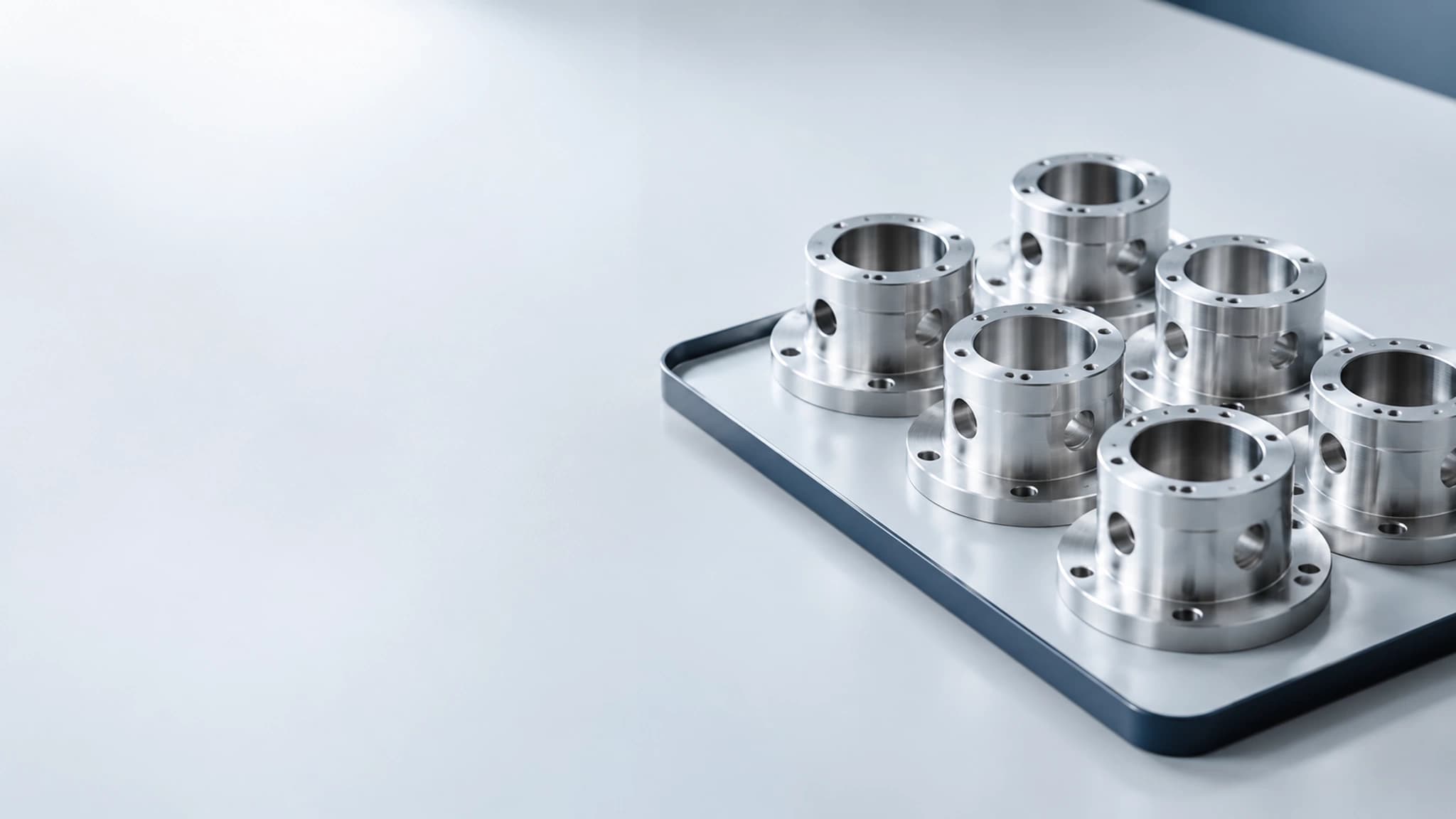
Array of repeated machined metal componentsRepresentative visual

Process comparison

A practical production-readiness gate

Each gate should have a clear source record. An unresolved item can remain open, but it should not be hidden inside an apparently released drawing.

Readiness gateEvidence from developmentProduction definition
DesignFit, function, assembly, or test findings tied to the prototype revision.Approved model and drawing with accepted changes incorporated.
Material and finishPrototype material and finish, including any temporary substitutions.Released grade, condition, finish specification, masking, and final-dimension rules.
Critical featuresMeasured results and observed interfaces that affected performance.Explicit dimensions, datums, geometric controls, and acceptance priorities.
Order scopePrototype quantity and lessons from assembly or handling.Batch quantities, alternative tiers, delivery destination, packaging, and identification needs.
Quality scopeChecks used to evaluate the prototype question.Agreed inspection characteristics, records, sampling, and any first-part approval step.

Consolidate prototype learning

Record what the prototype proved and which changes were accepted. Separate design findings from manufacturing variation so the next revision has a clear technical basis.

  • Tie test and assembly findings to the tested revision.
  • Identify interfaces that met or missed the intended function.
  • Record temporary material, finish, or tolerance deviations.
  • Resolve or visibly track remaining design questions.
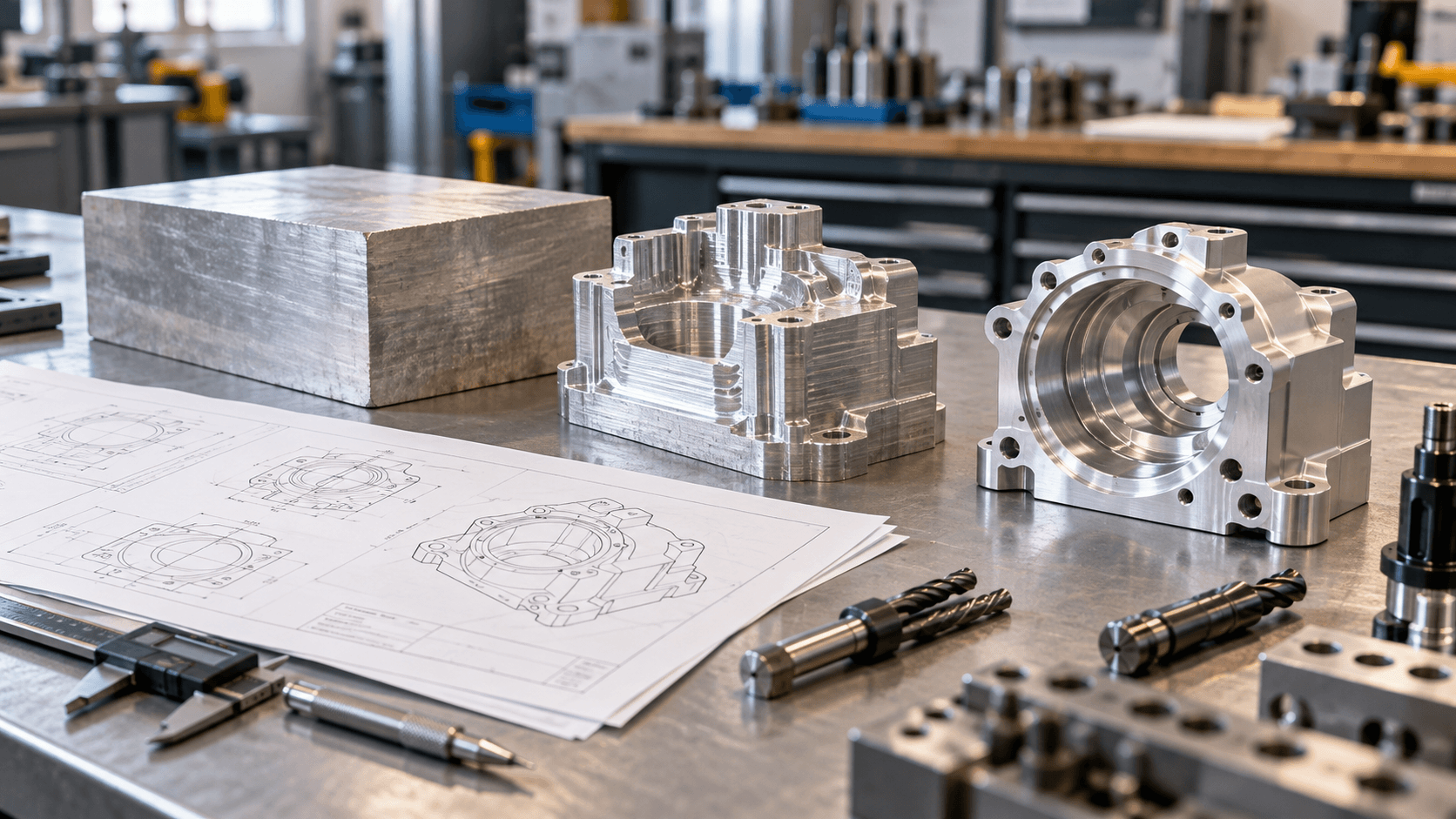
Review prototype machining

Release a synchronized package

The model, drawing, bill of materials, and purchase requirements should tell the same story. An email note should not silently override an outdated controlled file.

  • Update geometry and drawing callouts together.
  • Use consistent part numbers, units, and revision identifiers.
  • Highlight changes that affect fit, material, finish, or inspection.
  • Remove obsolete files from the production RFQ.
Use the RFQ checklist
Array of repeated machined metal components

Technical guides / Manufacturing context

Clear drawings keep technical decisions connected.

Representative media supports the engineering discussion and does not document a specific customer order.

Representative visual
03 / Project considerations

Define batch acceptance

Production requires an agreed definition of an acceptable part. Focus the inspection scope on critical characteristics and state any requested records or approval stages before order release.

  • Identify critical dimensions, datums, and post-finish requirements.
  • State requested inspection records and sampling expectations.
  • Define any first-part, sample, or approval hold point.
  • Include identification, handling, and packaging requirements.
Review the quality approach
04 / Project considerations

Prepare for repeat orders

A repeat order should reference the previously accepted part while making every change visible. Material, finish, quantity, and inspection changes can affect the process even when the part number is unchanged.

  • Reference the prior order and accepted revision where applicable.
  • Call out every specification change explicitly.
  • Distinguish firm quantity from forecast demand.
  • Request a new review when the controlled requirements change.
Review batch CNC production

Before you request a quote

From CNC Prototype to Batch Production FAQ

Use these answers to prepare the requirements for your part. Project details are confirmed during drawing review.

When is a CNC prototype ready for batch production?

It is ready when the relevant test findings are resolved or clearly controlled, the model and drawing are synchronized, material and finish are approved, critical features are defined, and the batch acceptance scope is agreed.

Can the prototype drawing be reused unchanged?

Only if it already represents the approved production definition. Any accepted design change, temporary substitution, special prototype note, or revised inspection requirement should be incorporated before batch quotation.

Should I request quantity tiers for production?

Yes, when you need a comparison. List each quantity against the same drawing revision, material, finish, inspection, packaging, and delivery basis so the pricing can be evaluated consistently.

What changes require a new manufacturing review?

Changes to geometry, material, finish, tolerance, inspection scope, quantity, packaging, or delivery requirements can affect the process. Make those changes explicit and request review before releasing the repeat order.

Ready for engineering review

Have a part to make?

Send your drawings and let our engineering team review your project.

We will provide your quotation within 24 hours after we receive complete drawings and project requirements.

Make the requirements clear

Include quantity, material, finish, critical dimensions, and any inspection requirements.

STEP / STP / IGES / IGS / STL / DWG / DXF / PDF / ZIP / XLSX / XLS / CSV