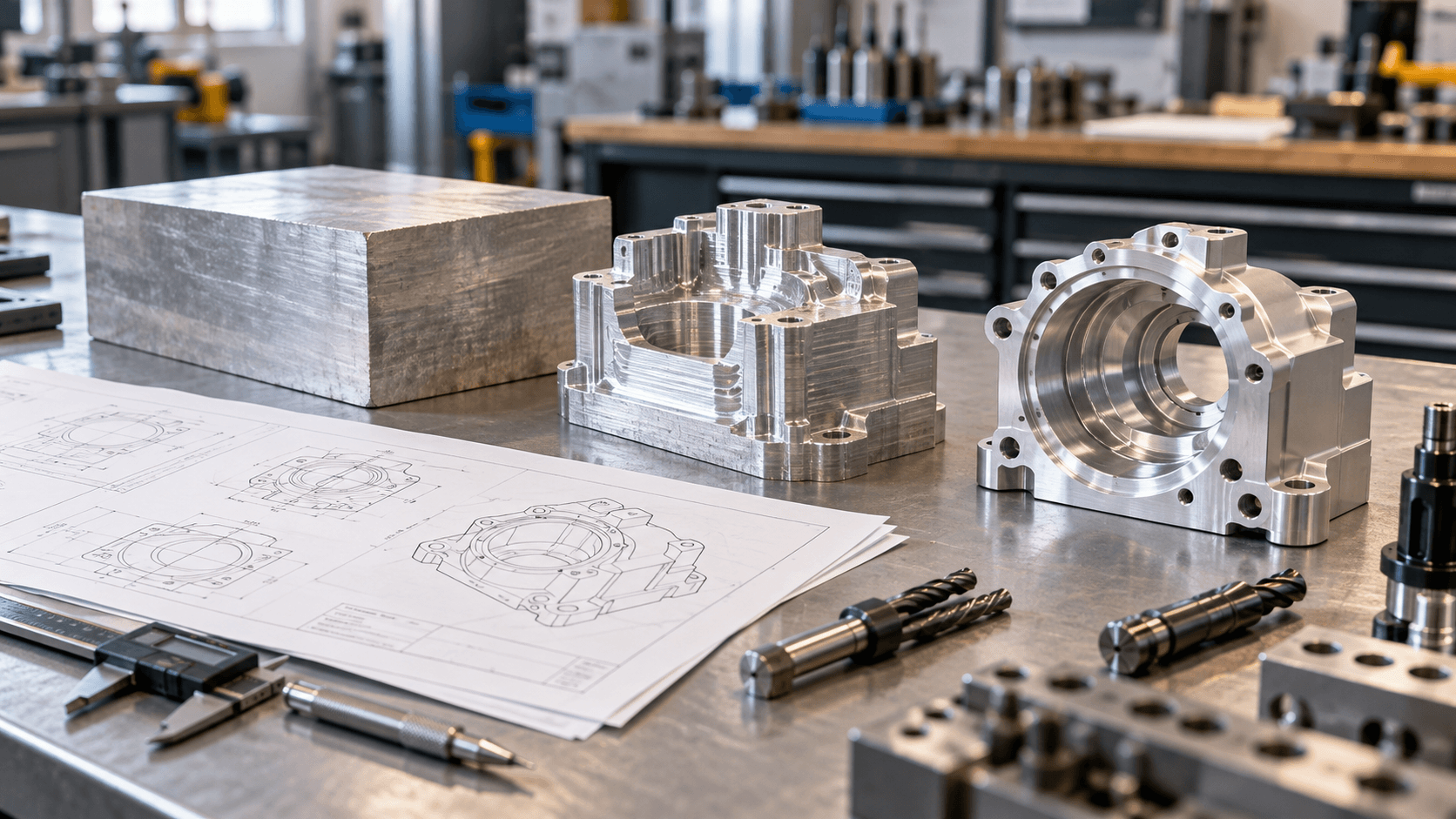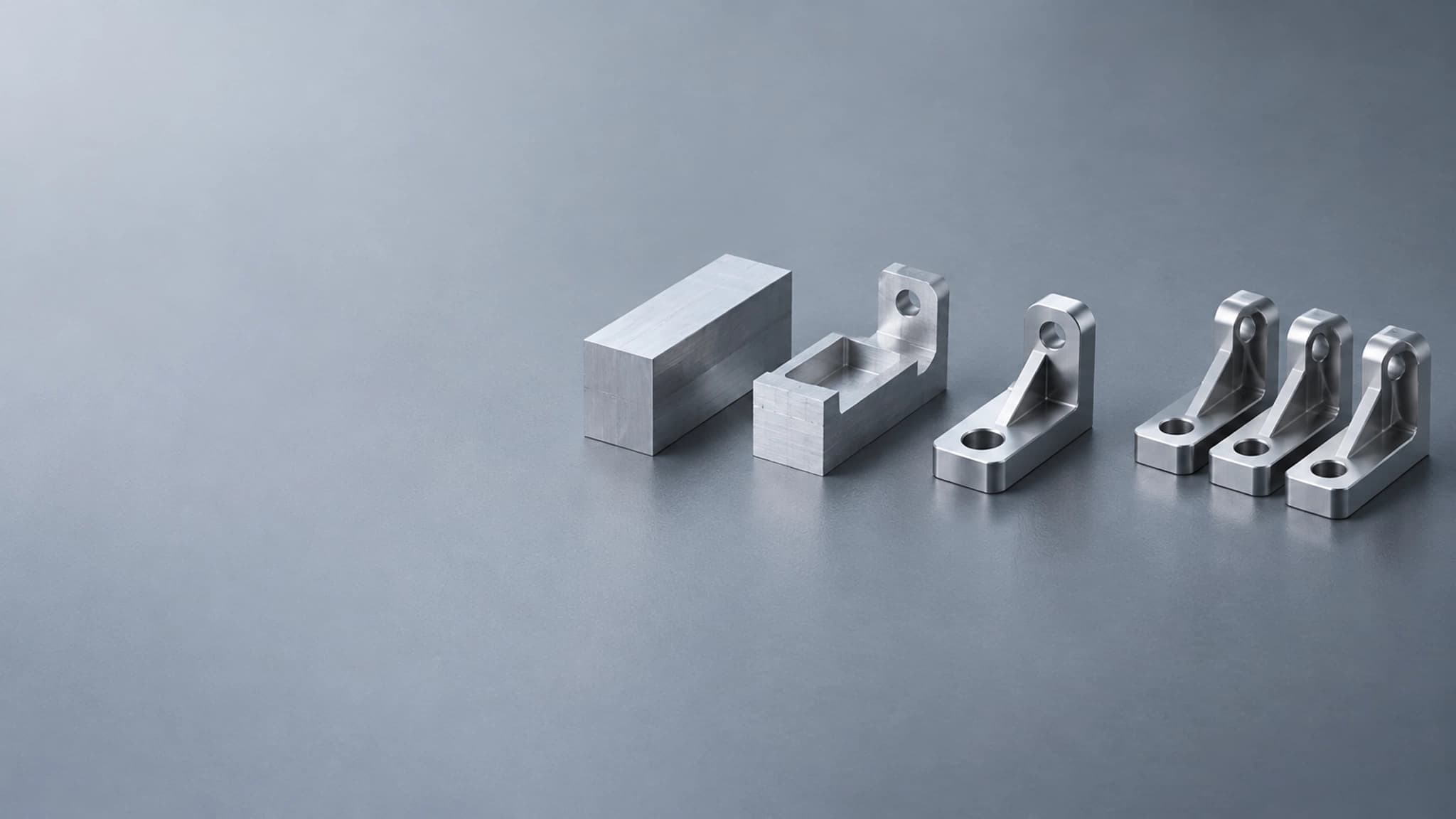
Part and assembly context
Describe what the component locates, supports, seals, moves, or connects. Mating-part information helps make critical relationships visible.
Privacy choices
Essential browser storage remembers your choice. Optional analytics and advertising technologies load only with your permission. Read our privacy notice.

Industries
Manufacturing support for teams developing machines, instruments, and industrial systems.

Share locating interfaces, sensor or motion mounting, assembly access, and the features that control repeatable positioning.

Identify joints, actuator mounts, moving interfaces, weight-sensitive geometry, cable paths, and assembly relationships.

Describe loads, alignment, service environment, replacement interfaces, and the surfaces that control installation.

Mark motion interfaces, change-part features, guarding clearances, and any product-contact or cleaning requirements.
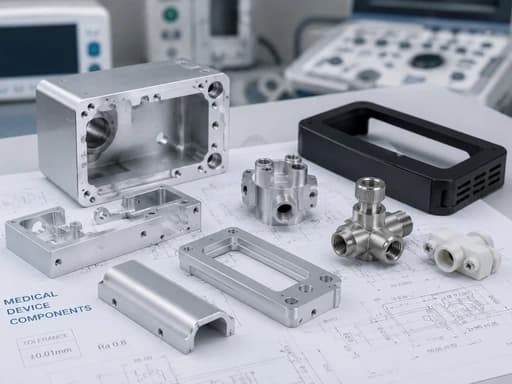
State material, cleanliness, appearance, documentation, and applicable regulatory requirements for project review.

Define cleanliness, vacuum, thermal, alignment, surface, and documentation requirements where they apply to the part.

Identify thermal interfaces, enclosure fits, connector openings, cosmetic surfaces, grounding, and assembly constraints.
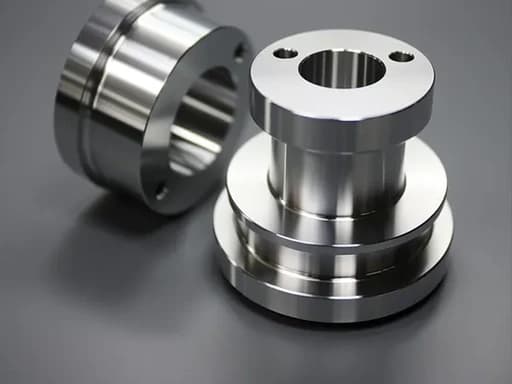
Explain the prototype, fixture, test, or production context together with loads, mating interfaces, and reporting needs.
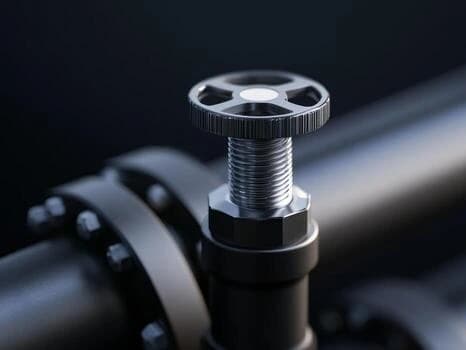
Mark sealing faces, bores, threads, flow interfaces, operating media, pressure context, and material requirements.
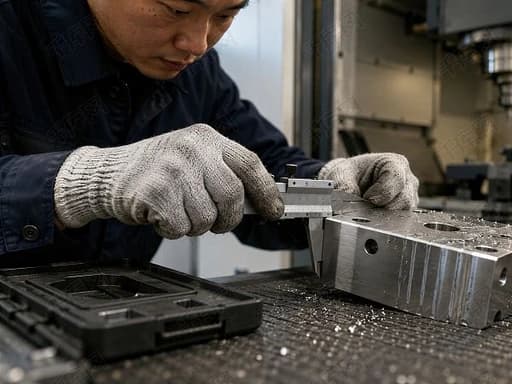
Separate fixed requirements from experimental geometry and define what the first build needs to prove.
Industry RFQ context
Industry names describe engineering context, not certifications or a claim that every requirement is available. Provide the applicable specification so it can be reviewed for your project.
Describe what the component locates, supports, seals, moves, or connects. Mating-part information helps make critical relationships visible.
State relevant loads, temperature, wear, chemicals, cleanliness, appearance, or exposure conditions instead of relying on the industry name alone.
Mark critical dimensions and datums, then list requested checks, approval stages, or records so their scope can be reviewed during quotation.
Identify whether the request is a concept build, functional prototype, validation part, first batch, or repeat order and provide the governing revision.
Industry context helps frame the part's application, operating environment, and critical interfaces for engineering discussion.
Explore applicationsReady for engineering review
Send your drawings and let our engineering team review your project.
We will provide your quotation within 24 hours after we receive complete drawings and project requirements.
Make the requirements clear
Include quantity, material, finish, critical dimensions, and any inspection requirements.
STEP / STP / IGES / IGS / STL / DWG / DXF / PDF / ZIP / XLSX / XLS / CSV