Essential browser storage remembers your choice. Optional analytics and advertising technologies load only with your permission. Read our privacy notice.
CNC milling and turning for production batches and repeat orders. Align quantity, drawing revision, material, finish, and inspection requirements before manufacturing.
Production machining, with a controlled specification.
VELMEC reviews CNC milling and turning requests for production batches and repeat orders. There is no universal quantity threshold that defines a suitable batch: geometry, material, process scope, finish, and acceptance requirements all matter. Share the approved drawing package and the quantities you want compared so the quote can state its basis and assumptions.
We will provide your quotation within 24 hours after we receive complete drawings and project requirements.
Batch size affects how setup, material, machining, finishing, and inspection contribute to the quote. If you are comparing quantities, keep the specification consistent so the pricing comparison is useful. Order feasibility and timing are reviewed for each project.
List the first-order quantity and each alternative quantity you want priced.
Separate part numbers, drawing revisions, and material specifications.
Distinguish confirmed orders from forecasts or possible repeat demand.
Share target dates and delivery destinations; timing is confirmed with the quotation.
Production orders can include milled housings, brackets, and fixtures, or turned shafts, pins, sleeves, and bushings. Aluminum, stainless steel, brass, and engineering plastics are reviewed by exact grade and part requirements. Mixed features may require more than one operation.
Provide a model and drawing for every part number in the request.
Identify functional fits, cosmetic surfaces, and any required secondary operations.
State finish specifications, material records, and inspection needs together.
Confirm part size, geometry, and batch feasibility during the drawing review.
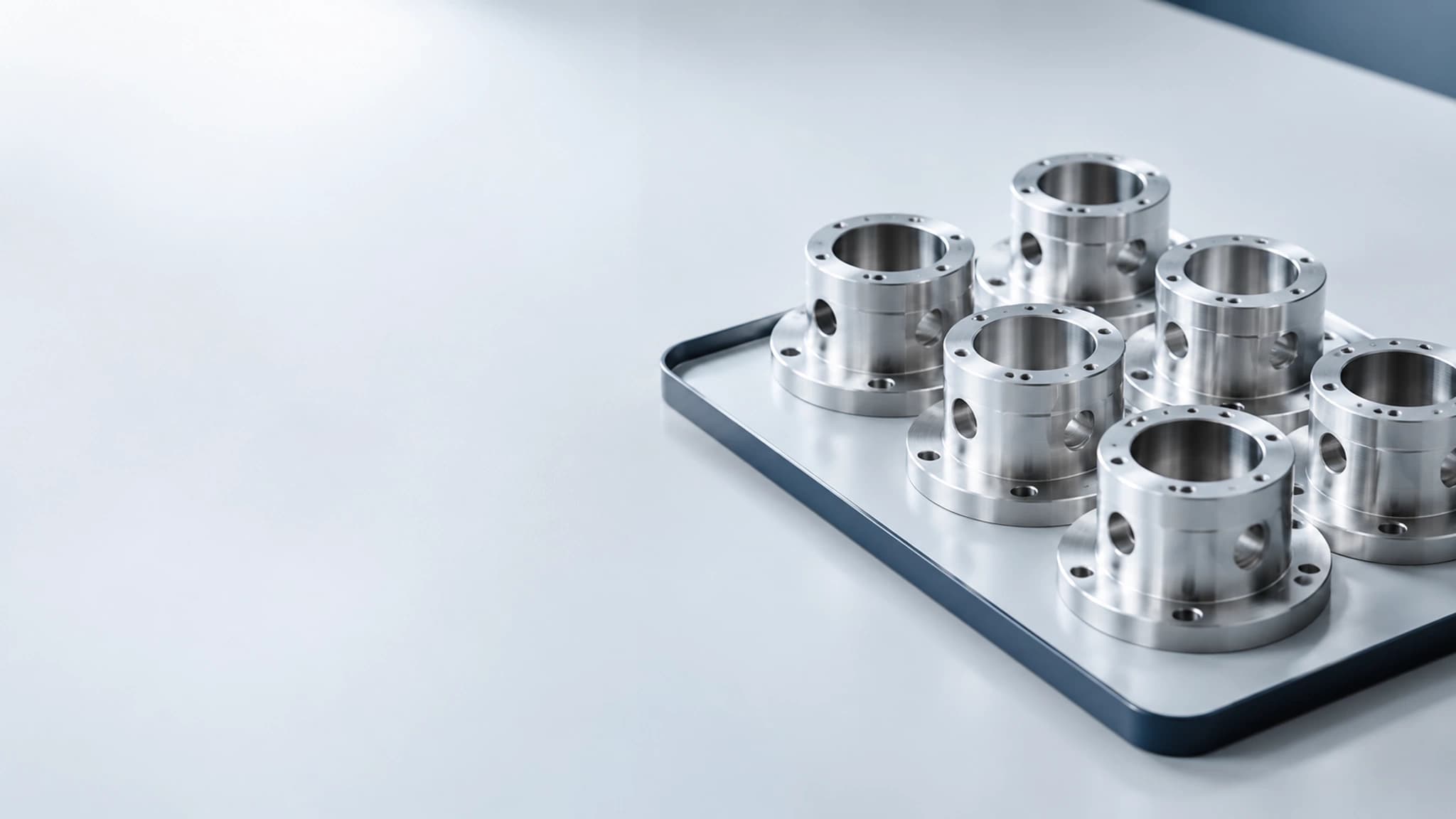
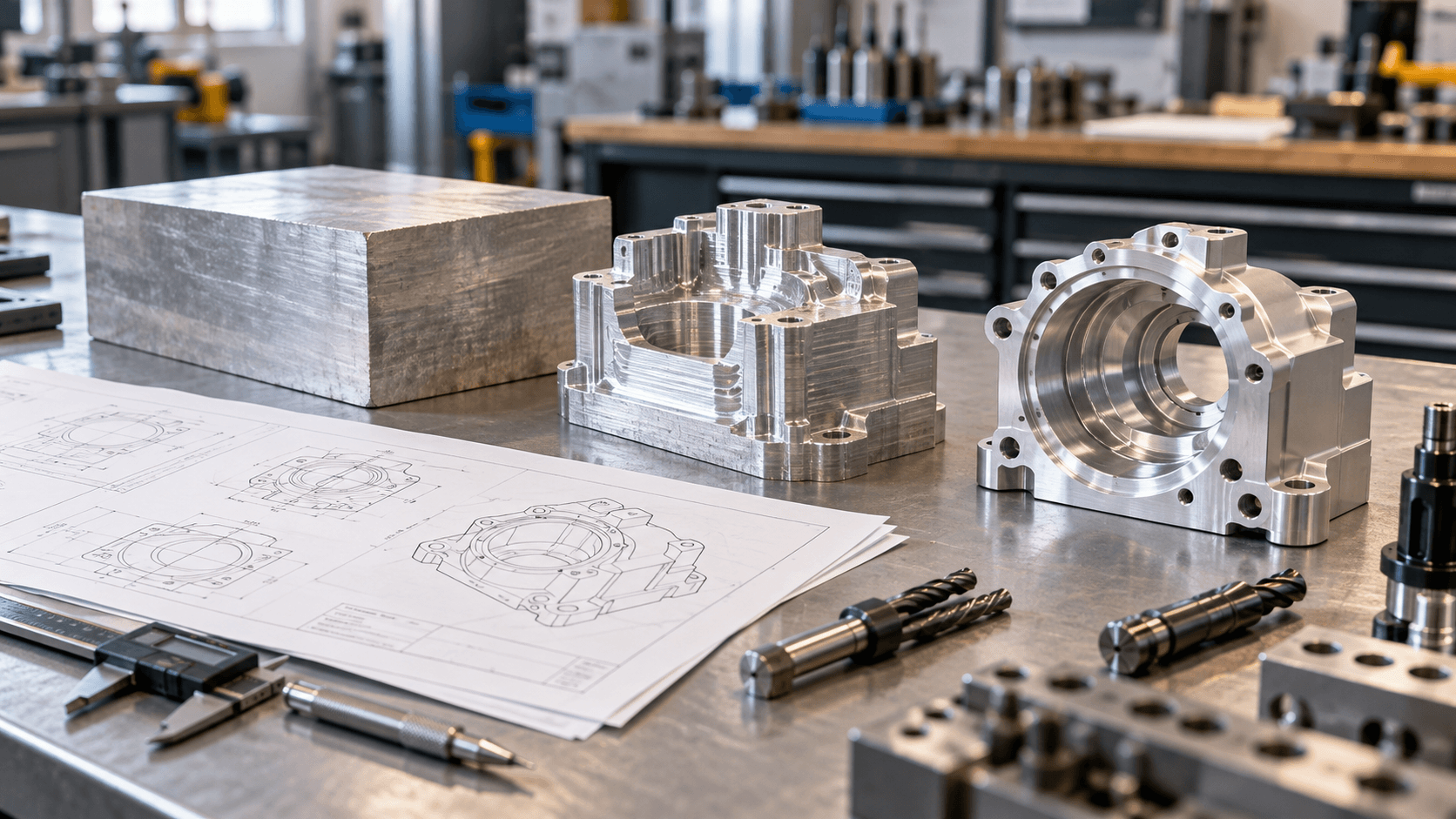
Representative media supports the engineering discussion and does not document a specific customer order.
Representative visual
03 / Project considerations
Agree on batch acceptance before production
Production quantities need a shared definition of an acceptable part. Mark critical-to-function features and state any requested inspection records, sampling requirements, or approval stages. Their scope and availability must be agreed during quotation.
Identify datums, mating interfaces, tolerances, and post-finish acceptance requirements.
Discuss any first-part or sample approval requirement before the order is released.
List dimensional reports, material records, and identification or packaging requirements.
Keep the acceptance criteria tied to the approved drawing revision.
A repeat request should identify the previously accepted part and the revision now required. Changes to geometry, grade, finish, or inspection scope can affect both price and process, even when the part number stays the same.
Use a clear revision identifier and highlight changes from the previous order.
Align the model, drawing, bill of parts, and purchase requirements.
Separate accepted prototype findings from issues still awaiting a design decision.
Request a new review before releasing changed parts for production.
Standard tolerance: ±0.127 mm, following ISO 2768-m.
Metal parts with technical drawings
Precision machining capability from IT7 to IT5, with feature tolerances from ±0.05 mm down to ±0.005 mm.
Engineering plastic parts
Machining capability from IT10 to IT8, with feature tolerances from ±0.30 mm down to ±0.03 mm.
Unspecified drawing tolerances
ISO 2768-f for metal parts and ISO 2768-m for plastic parts.
Minimum machined internal radius
R0.15 mm, depending on feature accessibility and tool selection.
Machined surface roughness
As machined: Ra 6.3–3.2 μm
Smooth machining: Ra 3.2–1.6 μm
Fine machining: Ra 0.8–0.4 μm
Tolerance capability depends on material, nominal dimension, geometry, wall thickness, machining process and inspection method. Tolerances down to ±0.005 mm apply to selected critical features and are confirmed through drawing review before quotation.
Before you request a quote
Batch CNC Production FAQ
Use these answers to prepare the requirements for your part. Project details are confirmed during drawing review.
Does batch CNC production only mean small batches?
This service covers production batches and repeat orders, with the suitable quantity reviewed against each part. Send the quantities you need quoted. A fixed minimum order or maximum batch size should not be assumed before the drawing, material, and manufacturing scope are reviewed.
Can you quote several order quantities at once?
Yes. List each requested quantity by part number and keep the drawing revision, material, finish, and inspection requirements consistent. Identify any scope differences between quantities so the comparison is clear.
Can a prototype move into repeat production?
Yes, once the production requirements are defined and reviewed. Update the model and drawing with accepted prototype findings, identify the approved revision, and state the batch quantity and acceptance criteria. Any open design questions should be resolved or clearly separated from the production scope.
Production and shipping times depend on the drawings, material, finish, quantity, and agreed inspection scope. Share your requested delivery date and destination with the RFQ. The 24-hour quotation response applies after complete drawings and project requirements are received; it is separate from manufacturing and transit time.