
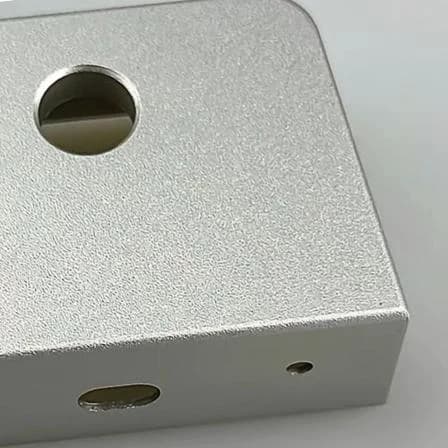
Surface finishes
Specify the finish as carefully as the machined part.
Compare common finish categories, identify dimensional and cosmetic risks, and prepare the information needed for project review. Finish availability is confirmed against the material, drawing, and specification.
Selection matrix
Start with purpose, then define the specification.
The same finish name can hide differences in preparation, thickness, appearance, masking, and inspection. Use these rows to prepare the questions, not to assume a process is automatically suitable.
Common finish categories shown below require material and project confirmation before quotation.
| Finish category | Family | Why it may be specified | Material context | Put this on the drawing or RFQ |
|---|---|---|---|---|
| 01As-machined | Base condition | Keep the machined surface without an added coating or cosmetic treatment. | Metals and engineering plastics, subject to the required surface condition. | Surface requirement, edge condition, tool-mark expectation, and identified cosmetic faces. |
| 02Bead blasting | Mechanical texture | Create a more uniform matte appearance before use or another compatible finish. | Commonly discussed for metal parts; media, texture, and appearance need confirmation. | Target surfaces, protected interfaces, texture reference, and whether a later coating follows. |
| 03Anodizing | Conversion coating | Define a protective, wear-related, electrical, or decorative surface requirement. | Associated with suitable aluminum grades; alloy and appearance can affect the result. | Process specification, type or class, color where applicable, masking, and post-finish dimensions. |
| 04Powder coating | Applied coating | Add protective or decorative coverage with a specified color and texture. | Metal substrates after suitable preparation; coverage and buildup require review. | Color system, gloss or texture, coverage boundary, masking, and critical fits or threads. |
| 05Passivation | Chemical treatment | Define a surface-treatment requirement for a suitable stainless-steel grade. | Stainless steel, with the grade, governing standard, cleaning, and documentation specified. | Applicable standard, material grade, required records, and surfaces excluded from treatment. |
| 06Metal plating | Deposited coating | Address corrosion, wear, conductivity, appearance, or another specified surface function. | Compatible metal substrates; the plating system and underlayers must be defined. | Plating specification, class or thickness, masking, contact areas, and final dimensional limits. |
| 07Brushing or polishing | Mechanical finish | Control directional texture, reflectivity, smoothness, or a specified visual surface. | Suitable metal surfaces, depending on geometry, access, and the required visual standard. | Target faces, direction, roughness or visual reference, protected edges, and acceptance criteria. |
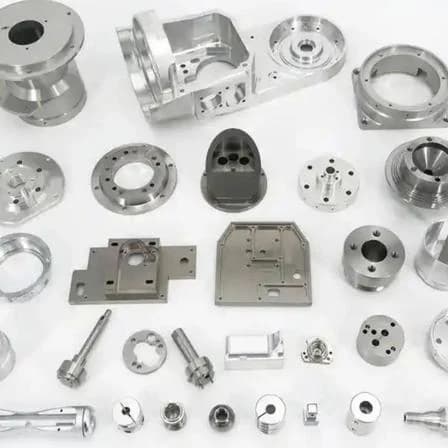
Representative finished component
Finish and geometry
Protect the interface from the finish.
A coating or mechanical treatment can affect more than appearance. Review the finished condition wherever the part mates, seals, conducts, slides, or locates.
Fits and bores
Threads and edges
Masking boundaries
Cosmetic faces
Finish RFQ checklist
Give the finisher a controlled requirement.
Attach the current model and drawing, then add the finish inputs below. If a point is undecided, label it as an open question instead of leaving an ambiguous note.
- Exact material grade and condition
- Finish specification, type, class, or thickness
- Surfaces to finish, mask, or leave untreated
- Critical fits, threads, bores, and electrical contacts
- Whether dimensions apply before or after finishing
- Color, gloss, texture, and cosmetic acceptance reference
- Required finish records or sample approval
Before quotation
Surface finish FAQ
Does VELMEC provide every finish shown on this page?
This page is a requirement-planning reference, not a guaranteed process list. Send the drawing, material, finish specification, quantity, and acceptance requirements so availability and suitability can be confirmed for the project.
Should critical dimensions apply before or after finishing?
State this directly on the drawing. Coating buildup, masking, surface preparation, or material removal can affect fits, thread engagement, sealing, and the inspection sequence.
Is a color name enough for a cosmetic finish?
Usually not. Use a recognized color system or an approved reference when possible, then define the target surfaces, gloss or texture, viewing conditions, and allowed variation.
How should threads, bores, and contacts be handled?
Mark whether each feature is finished, masked, or processed afterward. Review coating buildup and the final functional condition rather than assuming the same treatment can cover every surface.
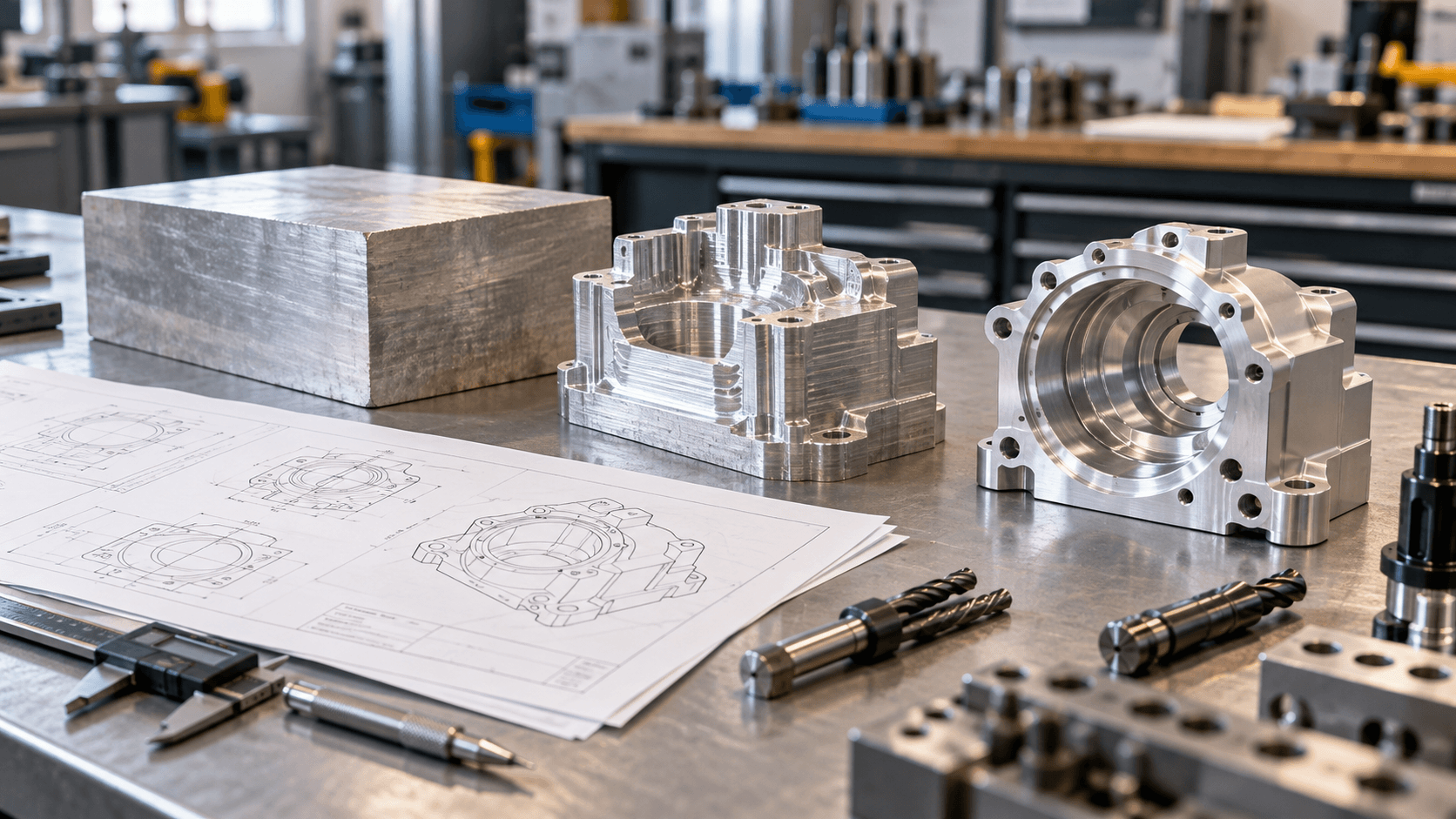
Ready for engineering review
Have a part to make?
Send your drawings and let our engineering team review your project.
We will provide your quotation within 24 hours after we receive complete drawings and project requirements.
Make the requirements clear
Include quantity, material, finish, critical dimensions, and any inspection requirements.
STEP / STP / IGES / IGS / STL / DWG / DXF / PDF / ZIP / XLSX / XLS / CSV